Back in 2016, this British fingerstyle supernova publicly announced that he was taking a hiatus from music due to the financial pressures of surviving as a working/touring musician, but he thankfully resurfaced in 2024 with the excellent Unraveling In Your Hands. Now, less than two years later, he is back with yet another self-released gem. Notably, the heart of this latest album is another fresh 25-minute tour de force, which is somewhat surprising given that 2024’s similarly epic title piece was an intentional “endurance test” designed to push Blackshaw’s body to the limit after recovery from a shoulder injury. Hopefully, this latest test did not break him either, as I certainly felt like I needed to vicariously plunge my fingers into an ice bath once the final notes of the technically demanding title piece faded to silence. While this release also features a droning and hallucinatory second piece, it is unquestionably the title track that steals the show, as it is an even more canonical longform triumph than its predecessor.
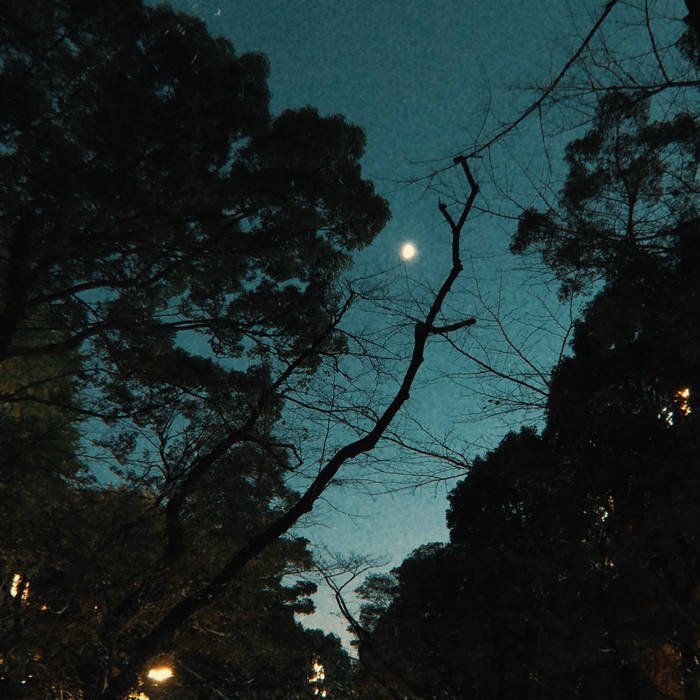
The title piece opens with a brief dissonant and circular arpeggio pattern before Blackshaw launches into the central motif of rolling and rippling arpeggios that breathlessly propel a bittersweet two-note melody through endlessly evolving harmonic terrain. It is quite a lovely and tender motif and that strong melodic hook is the thread that holds everything together, as it returns again and again in evolving form throughout the piece’s duration. Obviously, Blackshaw is far from unique in being able to craft a beautiful and poignant fingerpicked guitar melody, but his vision and virtuosity definitely come through in the piece’s dynamics, seamless transitions, and seemingly effortless stylistic flourishes. For example, the central melody regularly wanders into knotty cul de sacs, slows down, spins off into extended detours, or opens up into a more spacious classical guitar-inspired motif only to unexpectedly lock back into the central motif with renewed brightness and momentum. It evokes the feeling of a late night autumn stroll that veers off course into unfamiliar streets and mysterious wooded paths which somehow ultimately lead back to the familiar warmth and light of home.
The overall effect is also akin to a great American Primitive piece, as twanging hammer-ons and pull-offs form melodies within chiming and insistently forward-moving arpeggio patterns. Another notable similarity between this album and the American Primitive scene is that Blackshaw was far more interested in getting the soul and the feel of the piece just right than he was in worrying about any small imperfections that might’ve crept into a otherwise mesmerizing, organically flowing, and downright ecstatic-sounding performance. While I am sure there are probably a few unplanned buzzes, twangs, and missed notes that made Blackshaw wince a bit when he listened back to his performance, the tradeoff is that “Fractures On The Horizon” feels vibrantly alive and spontaneous in all the right ways. In fact, I find that some of the imperfections actually enhance the piece (particularly on headphones), as both the sound of Blackshaw’s breath and the scrape and squeak of his fingers sliding around the fretboard beautifully bring out the intimacy & physicality of the performance.
One of the things that makes Blackshaw such a fascinating artist, however, is that his influences run quite a bit deeper and stranger than your standard American Primitivist fare. Obviously, the clearest evidence of that is Blackshaw’s past involvement with Current 93/Myrninerest, but his wide-ranging taste and creative restlessness has resulted in a number of unexpected detours throughout his solo career as well (vocal pieces, minimalist piano compositions, unusual collaborators, etc.). On this album, that eclecticism subtly manifests itself a bit in the title piece’s seamless incorporation of blue notes, classical guitar motifs, jazz-inspired chords, and presumably several ideas borrowed from Eastern drones, but also manifests itself quite overtly in the closing “Three Interlopers.”
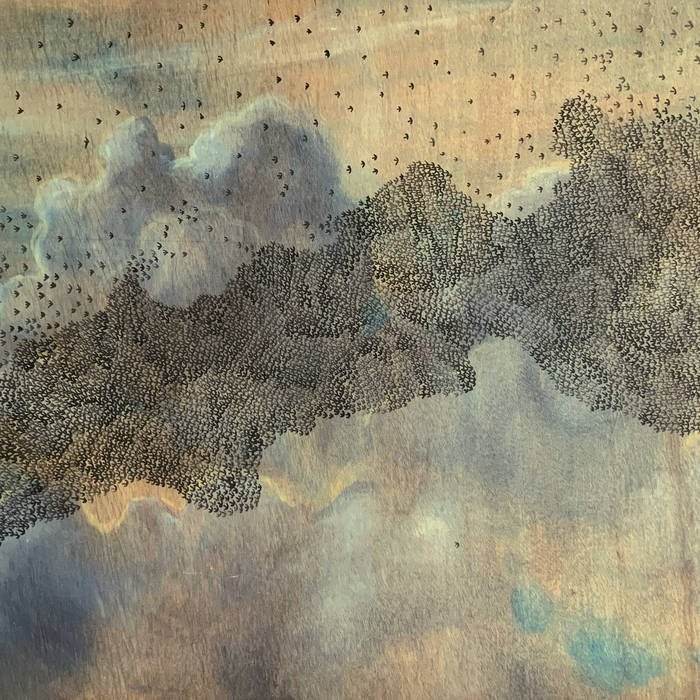
That closer certainly makes quite a surprising and radical departure from the vibe of the title piece, as a shifting landscape of buzzing drones conjures otherworldly oscillating dissonances and shimmering clouds of uneasy overtones that sound like Phill Niblock in an especially malevolent and industrial ambiance-inspired mood. While I believe I can safely say that very few fans will prefer that dissonant foray into unsettling sound art to the towering virtuosic mastery of the title piece, it is such an interesting and unexpected conclusion that it feels more like a glimpse into a wildly divergent alternate timeline than some abstract filler thrown in to stretch an instant Blackshaw classic into an album-length release.