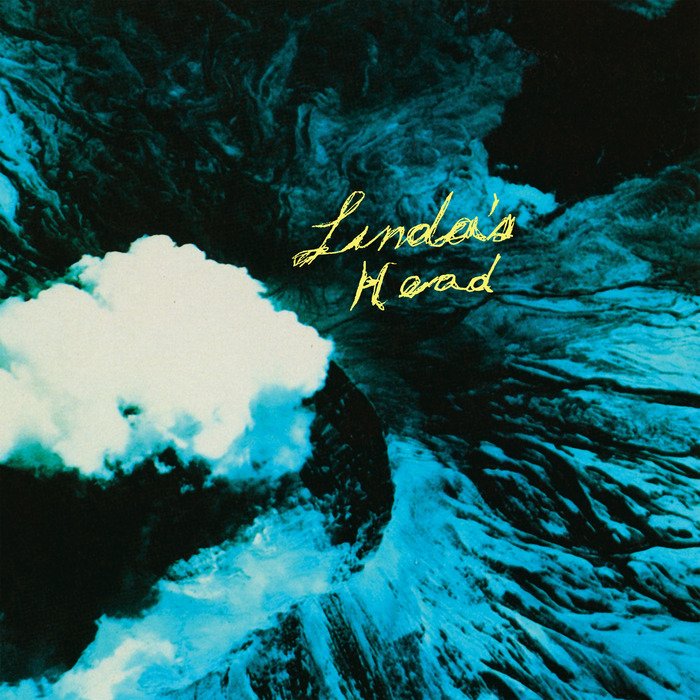
Helen, “Linda’s Head” (Kranky, 2026)
It may have taken a decade or so, but Liz Harris’s wonderful indie/jangle pop throwback trio have finally resurfaced with their follow-up to 2015’s The Original Faces. Notably, I had always figured that Helen was destined to be a one-off event, so their return is quite a pleasant surprise in general, but Linda’s Head is also a pleasant surprise in some stylistic ways as well. For one, the noisier and more raw shoegaze-inspired guitars of Helen’s debut have been largely replaced by punchy fuzz- and jangle-pop delights that recall the heyday of the great regional indie pop scenes in the Pacific Northwest, New Zealand, and Scotland. The even bigger surprise, however, is that Linda’s Head also features a handful of songs that feel like glimpses of an “alternate timeline” version of Grouper that veered a bit more towards hooks and warmth than hushed, nocturnal intimacy and shadowy atmospheres.
Harris and her bandmates come out of the gate in impressively hot fashion with two absolutely gorgeous and perfect pop gems in a row. In the all-too-brief “Faraway,” Scott Simmons’ melodic bass motif provides a simple and lovely backdrop to an absolutely swoon-worthy, sensuous, and bittersweet masterpiece of heartache and heavenly vocal harmonies. The following “Starline” is more of a driving, fuzzed-out rocker with strummed bass and power chords, but it unexpectedly contains a brief and poignant spoken oasis at its heart. Elsewhere, “endless Sky” is similarly rocking and fitfully calls to mind Jesus and Mary Chain’s blown-out repurposing of sunny ‘60s-style pop melodies, but Jed Bindeman nearly steals the show with his slippery and clattering drum heroics. Bindeman is similarly explosive on otherwise moodier, more languorous, and Grouper-esque “darkblue,” as his visceral frenzy of fills and crash cymbals gives everything a wonderfully raw and volcanic energy. The album’s first half is then wrapped up with an upbeat strummed acoustic number (“Dead shark”) that could pass for a classic lo-fi jangle pop hit if the vocals were not buried low in the mix and swathed in reverb.
Happily, that missed opportunity is immediately rectified with the second side’s “Dead shark II,” which is a breathlessly perfect, raw, and rocking lo-fi pop gem with plenty of crashing and splashing cymbal excitement. The album is then rounded out by three songs in a row that feel like either actual Grouper songs or visions of an equally great “alternate timeline” Grouper. The first, “black and quiet love,” is the most conventionally Grouper-esque, as it is the album’s most blearily soft-focus, melancholy, and minimal piece and reduces Harris’s accompaniment to just fingerpicked acoustic guitar. The warmer “Stay with me” is a bit of a quiet revelation though, as it feels like an actual poignant and straightforward love song (albeit a bit of a stark one). The hymnlike “Canyon” then brings the album to close with a hushed and sublime stunner, as a melodic bass motif propels a dreamy reverie of heavenly vocal harmonies, subtle dub effects, and an unexpectedly lengthy and hypnotic outro of organ drones.
For me, the biggest highlights are the album’s bookends (with “Faraway” arguably being the single most beautiful minute of music that I will hear all year), but “Starline” and “Dead shark II” are both pitch-perfect pop gems in their own right. In fact, I was repeatedly struck by how Liz Harris seemed to toss off one great pop melody or hook after another on this album. Hopefully there will someday be another Helen album so I will finally know for sure whether or not Liz Harris has secretly been a reluctant pop genius all this time. Until then, Linda’s Head has the honor of being the second time that I have been blindsided by Harris in the last month, as Dicky Bahto’s video projections for Grouper’s fall tour were one of the most immersive and vividly psychedelic experiences of my concert attending career. Also, while Harris’s songwriting is undeniably the beating heart of this album, I would be remiss if I did not mention that Helen are a legitimately excellent band, as Simmons’ muscular and melodic bass and Bindeman’s explosive drumming often make even the weaker songs feel like legitimate bangers. Without that crashing, breathless spontaneity, Helen would feel more like a loving homage with a handful of great singles, but the raw vitality of these performances instead feels like it could be the template for indie pop’s next golden age.
Listen here.